
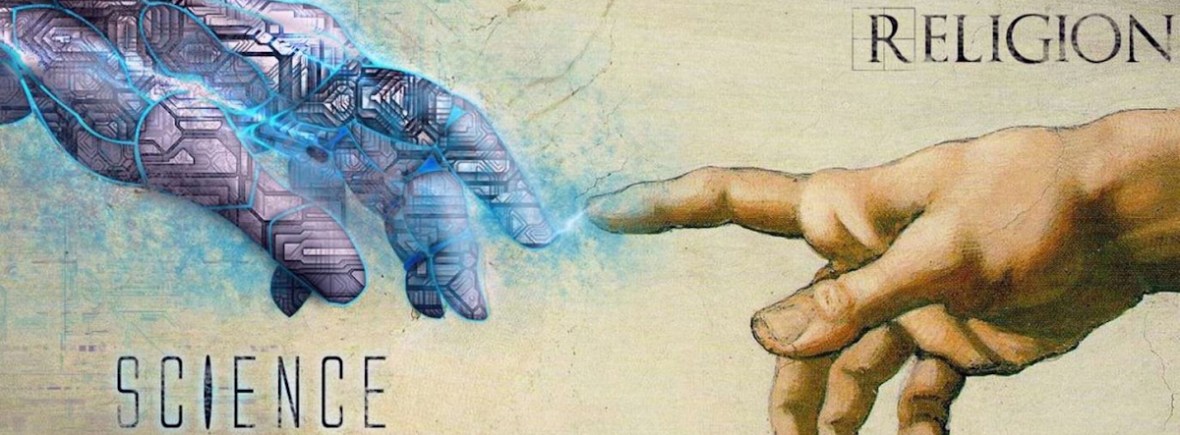
In this series of Zoom seminars, seven theologians explore questions of the relationship between science and religion. Are these diametrically opposed and antagonistic world views that have nothing to say to each other, as is sometimes suggested? Or is the search for the truth more interesting? Can God be found in the physics, chemistry, biology lab? How can people of faith talk meaningfully about religion to sceptical scientists? How might a sense of awe and wonder transcend and enlarge our knowledge?
The zoom-based series of talks and group discussions are inclusive, accessible, mission-focused, and, above all, aimed to help theological reflection on faithful living in these times.
The format of our seminars is as follows:
- 7.15 Gather on ZOOM
- 7.30 Speaker’s talk
- 8.15 Break-out groups to discuss
- 8.30 Plenary for Q&A
- 9pm Finish
Upcoming Monday Talks/Seminars
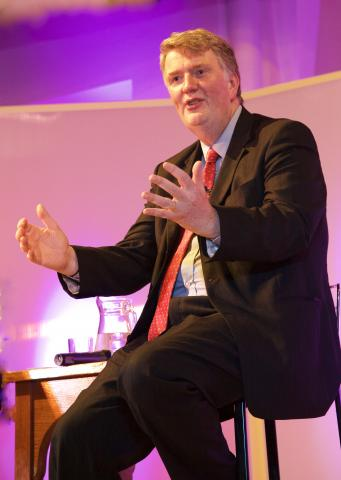
- 8 February: “Valuing Science as Gift in Mission and Ministry”, Revd Prof. David Wilkinson
What does it mean for the church to take science seriously and value the vocation of scientists, technologists and engineers in its mission and ministry? Building on 15 years of his work with Equipping Christian Leaders in an Age of Science, which now works with partners in over 30 countries, David Wilkinson will explore science in the context of awe, worship, apologetics and discipleship – and what it means for church leaders and scientists to work together.
David is Project Director at ECLAS (Equipping Christian Leadership in an Age of Science).

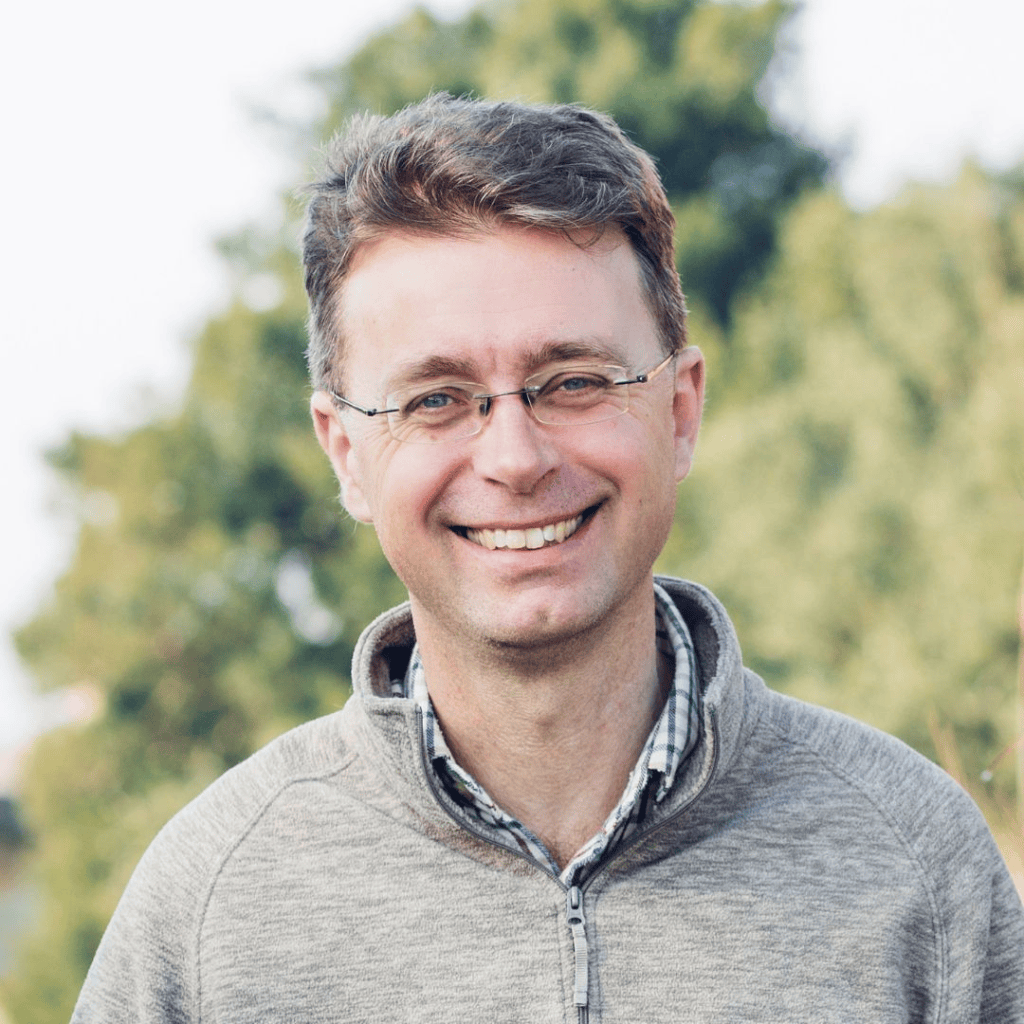
- 8 March: “Science and Religion Relationship Status: It’s complicated!”, Dr Nick Spencer
How do science and religion ‘get on’? What are we talking about when we talk about science – and religion? What are we actually disagreeing about when it comes to science and religion? Only by asking that can we chart a more fruitful discussion between them.
Nick is Senior Fellow at Theos. His most recent books are: The Landscapes of Science and Religion (2025), Playing God: Science, Religion and the Future of Humanity (2024), and Magisteria: The Entangled Histories of Science and Religion (2023).
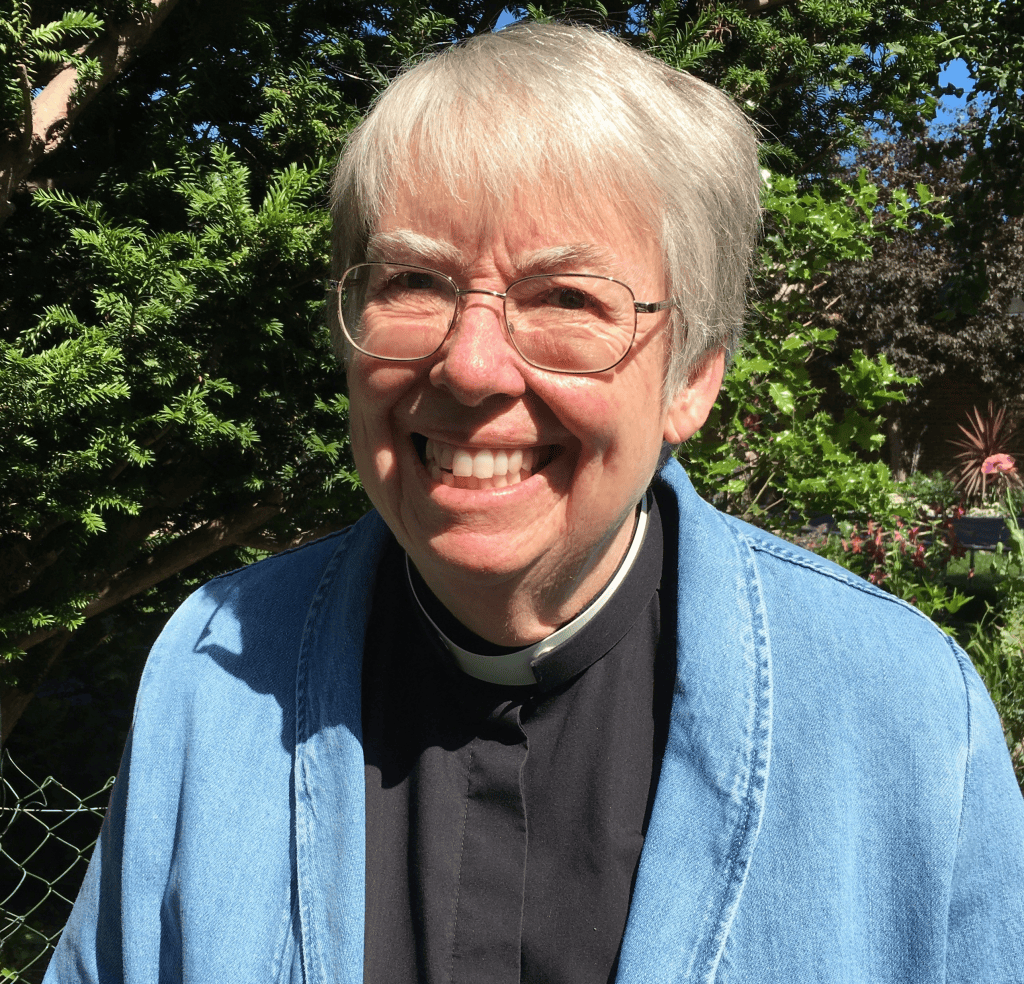
- 10 May: “Do We Have a Soul? Christianity and Consciousness”, Angela Tilby
This talk will look at the gradual move away from materialist views of consciousness and what this might imply for a Christian understanding of the self and for Christian spirituality.
Angela is a broadcaster, writer, theological educator and priest of the Church of England. After a career of 22 years in the BBC as a radio and television producer, she was ordained in 1997. She is a Canon Emeritus of Christ Church and a Canon of Honour Emeritus of Portsmouth Cathedral. She is a Visiting Scholar of Sarum College, Salisbury. She has written several books, including Science and the Soul, Let There be Light, and The Seven Deadly Sins. She contributes regularly to BBC’s Thought for the Day and writes a regular column for the Church Times.
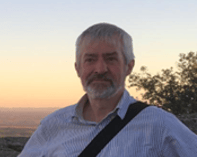
- 14 June: “The Order of Nature: Reflections on Science and Religion”, Peter Powell
Peter has always been inspired by nature and how it speaks of the superabundance of God’s love and creativity, and hopes that this talk will offer ways of seeing and exploring our experience of God in both science and nature.
Peter is a retired Anglican Priest and Paediatrician. He lives on the West Coast of Cumbria with his wife Frankie Ward.
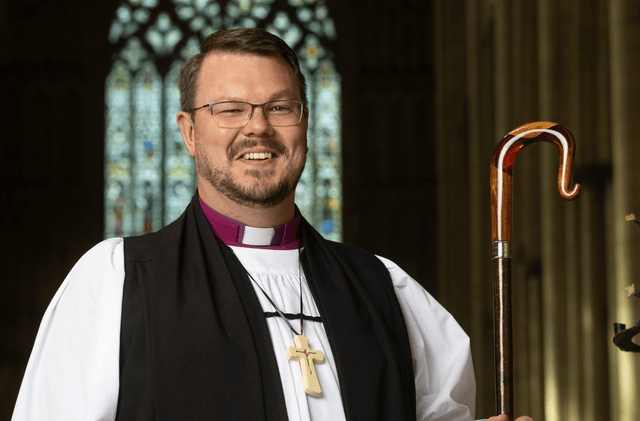
- 12 July: “Science, Religion and the Bible”, The Rt Revd Dr Michael Leyden
Michael is the Bishop of Penrith, and formerly the Principal of Emmanuel Theological College.
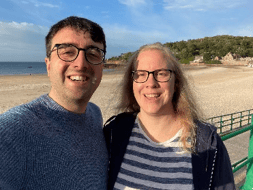
- 11 October: “Holding Science and Faith Together in Work and Life”, The Revd Rachel Cunliffe and Dr Christopher Cunliffe
Chris and Rachel will be discussing how they hold science and faith together, both personally and in their work lives.
Rachel is a Priest serving a group of rural churches in West Cumbria, and Chris is a Research Engineer working in Nuclear industry in West Cumbria.
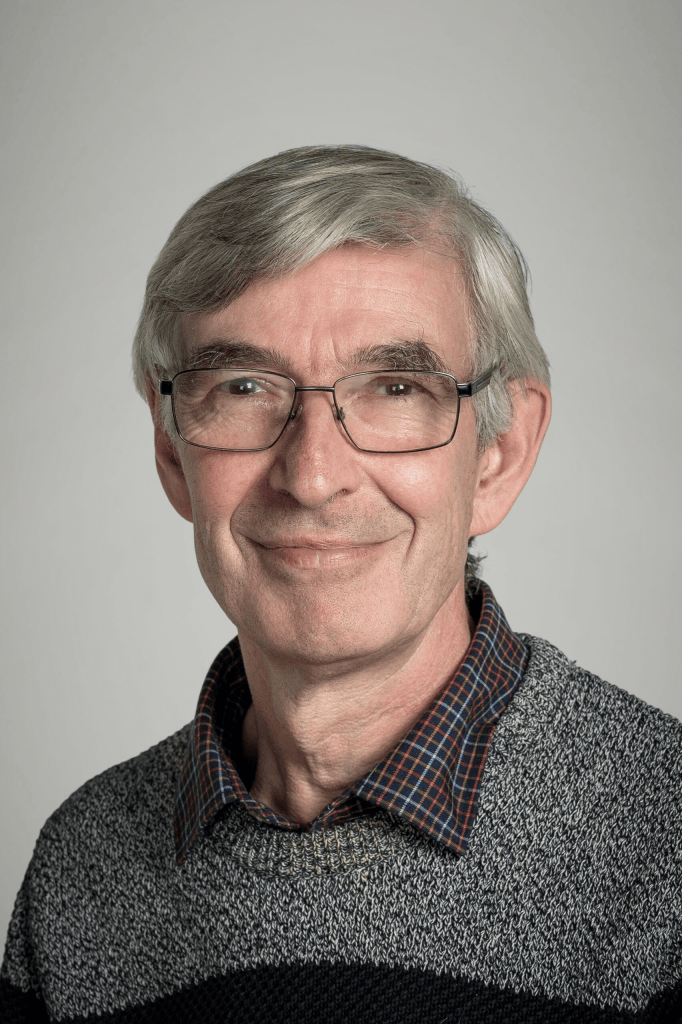
- 8 November: “Possession States: Psychiatric and Theological Perspectives”, Canon Professor Christopher Cook
Jesus was known as an exorcist, and belief in spirit possession remains widespread around the world today. How do we reconcile scientific and theological perspectives in clinical practice, in church life, and in the wider world today?
Chris is an Anglican priest and retired consultant psychiatrist whose vocation has been to engage with challenges of mental health in the Church and spirituality in clinical practice in psychiatry. His book publications include Spirituality in Mind (2026).

